
People’s opinions are the root source of change in the country. It is also valid for marketing the product. Yes, whether you play an online game, purchase items on online shopping sites, or even take an online examination, a pop-up window appears with a feedback survey. That is the primary source of data-driven marketing.
A Quick Guide Explaining the Importance of a Data-Driven Marketing Consultant
This marketing approach uses customer data, differentiates offerings based on people’s likes and preferences, and outlines a targeted strategy to bring the product to market.
After advertising and marketing, a budding product can be successfully sold. Still, with the help of a data-driven marketing consultant, you can quickly sell your product and boost sales. I provide reliable, data-driven marketing services by analyzing market mechanisms, strategies, and consumer preferences.
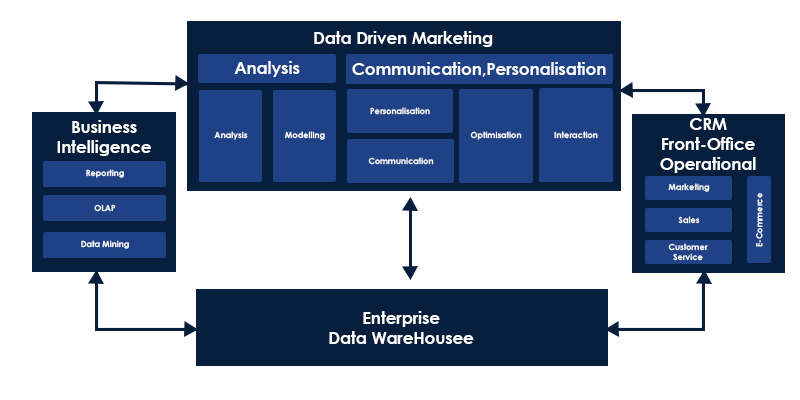 Data-driven Strategy B2B Marketing
Marketing can be successful only by following the right strategy. Blind marketing is like sailing into the ocean without knowing the direction of the shore. Data-driven B2B Marketing is achieved through an effective strategy: conducting market research using data provided by people, understanding their requirements and specifications, and targeting the specific product to that specific geographical area
This will have a more significant impact on product sales. Specific trends in data-driven marketing, such as personalized marketing analysis and trend-setting analytics, are occasionally followed. I provide you with the best data-driven strategy for B2B marketing services to enhance your product sales.
Data-Driven Marketing Scientist: Modern Strategies Unveiled
The role of a Data-Driven Marketing Scientist is increasingly becoming pivotal in the contemporary marketing landscape, where leveraging big data and analytics to inform and optimize marketing strategies is no longer just an advantage but a necessity.
This professional melds the rigor of data science with the creativity and insight of marketing to unveil modern strategies grounded in empirical evidence and highly responsive to market dynamics and consumer behavior.
Data-Driven Marketing Scientist: Modern Strategies Unveiled
In this capacity, the Data-Driven Marketing Scientist employs advanced statistical methods, machine learning algorithms, and predictive analytics to dissect vast datasets and derive insights that guide marketing decisions.
Their work is at the heart of strategic marketing initiatives, from segmenting markets and personalizing customer experiences to optimizing campaign performance and predicting future trends.
These professionals unveil modern strategies through a continuous cycle of hypothesis, experimentation, analysis, and refinement. They navigate web analytics, social media interactions, transactional data, and even sensory inputs, turning disparate data points into coherent narratives that drive strategic decisions.
In essence, the Data-Driven Marketing Scientist represents the confluence of data science and marketing, bringing precision, accountability, and innovation to marketing that align with the demands of an increasingly digital, dynamic, and data-rich marketplace.
Their role is not just about understanding what has happened or what is happening, but also about anticipating what will happen, enabling brands to stay ahead in a competitive environment.
In the world of marketing, the role of a data-driven marketing scientist, who utilizes experimentation and other methodologies, stands out as both innovative and essential. While traditional marketers rely on intuition and experience, these experts in advertising science harness data and methodologies to make informed decisions that drive results for businesses.
By analyzing trends, understanding consumer behavior, and measuring campaign performance, data-driven marketing scientists unlock valuable insights that shape effective strategies and methodologies. This unique blend of creativity and analytical prowess, combined with methodologies, sets them apart in today’s competitive landscape.
Key Takeaways
- Utilize data-driven insights to enhance marketing strategies and decision-making processes.
- Stay updated on emerging technologies to leverage their impact on marketing effectiveness.
- Implement effective A/B testing to optimize campaigns and improve audience engagement.
- Prioritize data privacy and ethical considerations in all marketing practices.
- Embrace continuous learning and adaptation to remain competitive in the evolving marketing landscape.
- Connect data collection techniques with actionable marketing strategies for tangible results.
Understanding Marketing Science
Interdisciplinary Nature
Marketing Science integrates various disciplines, blending business, technology, and analytics to drive marketing efforts effectively, including business advertising campaigns. It combines advertising science with data-driven approaches to enhance marketing strategies.
Required Skills
Professionals in Marketing Science need expertise in statistical modeling to analyze data trends and consumer behavior. A deep understanding of marketing strategy is crucial for developing effective campaigns.
Role of Data in Modern Marketing
Universal Nature
Data serves as a universal language for marketers to communicate effectively with their audience. By analyzing customer data, businesses can tailor their marketing campaigns to resonate with specific demographics.
Harnessing the power of data allows marketers to personalize their marketing initiatives, creating targeted strategies that yield higher engagement and conversion rates.
Strategic Vision
Having a strategic vision in data collection and utilization is crucial for successful modern marketing. Marketers need to define clear objectives and key performance indicators (KPIs) to guide their data-driven decisions.
By setting goals and aligning them with actionable insights from collected data, marketers can optimize their marketing campaigns for maximum impact and return on investment.
Informed Decisions
Data plays a pivotal role in enabling marketers to make informed decisions based on concrete evidence rather than assumptions. Through data analysis, marketers can uncover trends, preferences, and behaviors of their target audience.
This valuable information empowers marketers to refine their strategies, allocate resources efficiently, and adapt quickly to changing market dynamics.
Challenges in Data-Driven Strategies
Implementation Hurdles
Data-driven marketing strategies often face challenges in implementation. One common issue is the complexity of integrating multiple data sources to achieve a comprehensive view. A lack of opportunities to access relevant, high-quality data can hinder effective decision-making. Incomplete or inaccurate data can lead to misguided strategies and ineffective campaigns.
Overcoming Data Analysis Obstacles
Organizations must invest in robust analytics tools and skilled professionals to overcome data analysis challenges. Accurate data interpretation can significantly improve campaign performance.
Creating a cohesive data strategy involves aligning goals with available data. This alignment ensures that marketing efforts are targeted toward achieving measurable outcomes.
Impact on Business Outcomes
Ineffective data strategies can have a detrimental impact on business outcomes. Poorly targeted campaigns result in wasted resources and missed opportunities for customer engagement.
Misinterpreting data can lead to erroneous decisions, affecting overall business performance. Understanding the nuances of data analysis is crucial for driving successful marketing initiatives.
Emerging Technologies and Their Impact
AI Revolution
Artificial Intelligence (AI) is transforming data-driven marketing by enhancing decision-making processes through advanced algorithms. Companies use AI to analyze vast amounts of consumer data, enabling targeted campaigns that deliver better results.
Machine Learning Advancements
Machine learning empowers marketers to predict consumer behavior, accurately boosting campaign effectiveness. By leveraging machine learning models, companies can personalize customer experiences and improve engagement rates.
Potential Benefits and Challenges
Benefits
- Enhanced personalization of marketing strategies.
- Improved customer targeting and segmentation.
- Optimized campaign performance and ROI.
Challenges
- Data privacy concerns and regulatory compliance.
- Integration complexities with existing systems.
- Skill gaps in implementing and managing new technologies.
Blockchain Integration
Blockchain technology ensures secure data transactions, enhancing trust between companies and consumers. By providing transparent and immutable records, blockchain fosters a sense of authenticity in marketing efforts.
IoT Implementation
The Internet of Things (IoT) enables real-time data collection from connected devices, offering valuable insights into consumer preferences and behaviors. Marketers leverage IoT to deliver personalized experiences based on individual interactions.
Augmented Reality (AR) Applications
Augmented Reality revolutionizes marketing by creating immersive brand experiences for consumers. Through AR applications, companies engage customers in interactive campaigns, driving brand awareness and loyalty.
Data Collection and Analysis Techniques
Effective Methods
Data collection in marketing involves gathering information from various sources, such as customer interactions, website visits, and social media engagement. This data is analyzed to understand consumer behavior patterns and preferences.
Tools and Technologies
Utilize tools like Google Analytics for tracking website traffic, social media insights for audience demographics, and CRM systems for customer data management. These tools provide valuable insights into consumer behavior.
Importance of Data Quality
Accurate data is crucial for making informed decisions in marketing campaigns. By ensuring data quality, marketers can develop effective strategies based on reliable information.
Enhancing Decision-Making with Data Insights
Data Insights
Data insights play a crucial role in guiding marketing strategies by providing valuable insights from collected information. These insights empower data scientists to make informed decisions based on relevant data, leading to more effective campaigns.
Using data analytics, marketers can identify patterns and trends that influence consumer behavior, enabling them to tailor their strategies to resonate with the target audience. By leveraging these insights, businesses can achieve an incremental lift in sales through targeted, personalized marketing efforts.
Real-World Examples
In the realm of data-driven marketing, companies like Amazon have excelled by harnessing data to inform decision-making. Through sophisticated algorithms and predictive analytics, Amazon analyzes customer preferences and purchase history to deliver personalized product recommendations.
Another example is Netflix, which utilizes viewer data to recommend content based on individual preferences. By tracking viewing habits and ratings, Netflix enhances user experience through curated suggestions, showcasing the impact of data-driven decisions on customer engagement and satisfaction.
Data Visualization
Data visualization plays a pivotal role in transforming complex datasets into comprehensible narratives. By creating visual representations such as charts, graphs, and dashboards, marketers can effectively communicate information derived from data analysis.
Visual storytelling through infographics or interactive reports simplifies the interpretation of insights, enabling stakeholders to grasp key findings at a glance. This visual representation not only aids in decision-making but also fosters collaboration among teams by presenting actionable insights clearly and concisely.
Implementing Effective A/B Testing
Importance of A/B Testing
A/B testing is crucial for data-driven marketing scientists to evaluate different strategies and determine the most effective ones. This method involves comparing two versions of a webpage or app to see which performs better.
It allows marketers to make evidence-based decisions by collecting data on user interactions with each version. By analyzing this data, they can understand what resonates with their audience and tailor their strategies accordingly.
Best Practices for Implementation
To implement A/B testing effectively, marketers should start by defining clear objectives for the test. They need to identify key metrics to measure success, such as click-through rates or conversion rates.
Next, they should create distinct variations of the webpage or app elements they want to test. These variations should be shown to users at random to ensure unbiased results.
Once the test is live, it’s essential to monitor the performance closely and analyze the results accurately. Marketers should give tests enough time to gather sufficient data before concluding.
Interpreting A/B Test Results
Interpreting A/B test results requires a thorough analysis of the data collected. Marketers need to assess statistical significance to determine whether the observed differences are meaningful or due to chance.
They should also consider other factors that may have influenced the results, such as external events or changes in user behavior. Drawing accurate conclusions from A/B tests is crucial for making informed decisions in marketing strategies.
Navigating Privacy and Data Ethics
Importance
Data-driven marketing scientists must grasp the significance of privacy and data ethics. Protecting consumer data is crucial for trust-building.
Striking a balance between leveraging data for insights and respecting privacy is essential. Ethical considerations are paramount in today’s digital landscape.
Legal Considerations
Understanding data protection laws like GDPR and CCPA is vital. Compliance with these regulations ensures ethical data-handling practices.
Non-compliance can lead to hefty fines and damage to reputation. Prioritizing legal adherence safeguards both consumers’ rights and the company’s integrity.
Strategies
Implementing robust data anonymization techniques safeguards personal information. This approach balances data utility with individual privacy concerns.
Regular data audits help identify vulnerabilities in data handling processes. Addressing these gaps promptly enhances data security and compliance measures.
Establishing transparent data consent mechanisms fosters trust with consumers. Clearly outlining how data will be used builds a foundation of transparency and accountability.
Continuous Learning and Adaptation in Marketing
Professional Development
Marketing professionals must continuously learn to stay relevant in the dynamic landscape of data-driven marketing. Understanding consumer behavior and advertising trends is crucial for successful campaigns.
Continuous learning opportunities, such as workshops, online courses, and industry conferences, can enhance data analysis skills to drive effective marketing strategies. Keeping abreast of the latest tools and technologies is essential for career progression.
Industry Trends
Staying up to date with emerging business practices and innovations is vital for a data-driven marketing scientist. Monitoring changes in consumer preferences helps tailor campaigns for maximum impact.
Engaging with industry publications, attending webinars, and participating in networking events are excellent ways to gain insights into current market dynamics. Leveraging this knowledge can increase one’s success in navigating the customer journey.
Data-Driven Digital Marketing Analytics
Analytics and strategy mapping are the two most important actions for successful digital marketing. Despite the volume of information, data-driven digital marketing requires targeted analysis and strategy development to showcase the product and its reach.
Digital marketing analytics involves assembling data, isolating unique insights, gathering standard knowledge, and mapping customers and their interests by geographic region.
I have a qualitative team that is an expert in data-driven digital marketing analytics. They track in-depth customer insights and buyer journeys and create a strategy to digitally push your ad into the market system, which will be one of the most efficient ways to grow your business.
Data-driven Machine Learning
Creating data-driven machine-learning marketing strategies is an effective way to boost your digital media market. Machine learning analyzes customer insights from images, voice recordings, and other media.
The technique is to identify the customer’s interests and preferences through these available cloud media and create a strategy to boost the desired product business.
Data-driven machine learning helps you identify the minor and significant changes the customer needs. It helps rectify the system’s flaws by effectively managing the supply-and-demand process.
Machine learning is a promising technology for identifying customer interests, thereby helping the supplier provide products at the correct time. I offer Machine Learning techniques to my clients that help them improve their businesses and earn considerable profits.
The help of Data Visualization
Data-driven marketing using data visualization is another approach in digital advertising and marketing. It helps decision-makers make more effective decisions.
Moreover, it helps identify past mistakes and refine the method to achieve greater market appeal. Data-driven digital visualization helps arrange data in specific formats, such as graphs and Venn diagrams.
This will help management address lagging areas and boost sales. I provide data visualization services to help strengthen your decision-making for a successful future.
Data-Driven Full Stack Marketing
Full-stack marketing requires expertise, as it is a complex process of bringing products to market without much impact on their age. With data, full-stack marketing can be done more effectively, as consumer insights rely on the product’s traditionalism. So it is easier to identify the need for the product.
They are considered the future of the digital marketing industry as they can develop and build anything, such as advanced designs and management controls, using primary servers and controllers.
They do not rely on simple engineering techniques but instead use augmented methods to develop something from scrap. I have excellent full-stack developers who can assist you in creating your product base and improving market compatibility, thereby enhancing the product’s sales.
Marketing Performance Consulting – Power of Data in Marketing
Digital marketing has changed a lot and is becoming more competitive today. So, the data has become more powerful and reliable in this field. Certain things make the data more robust.
- Advanced data collection and management systems, such as Big Data and artificial intelligence, create a broad base for storing and using cloud computing data.
- Pricing methods have changed a lot. Pricing is analyzed using AI-powered algorithms rather than conventional methods based on production costs and labor. This has almost covered every sector of production, including the service sector. For instance, the airline sector relies on dynamic pricing basedpassenger movementment
- Market research and analysis have become the key to the marketing base nowadays. Previously, a specific department called R&D would analyze a particular product’s future. Digital marketing also relies on such a base to improve the product in all dimensions.
Data-driven marketing: How to generate leads and increase conversions with data optimization
Marketing is an art; like any other art, it requires skill and creativity. Data-driven marketing, on the other hand, is a science. Data-driven marketers use data to understand their customers’ behavior and deliver personalized content that generates leads and increases conversions for their business.
Data optimization helps companies prioritize which messages to send based on what has worked in the past. This blog post will discuss how data-driven marketing can help you generate leads and increase your conversion rate!
Benefits of Data-driven Marketing
Data optimization helps businesses prioritize the most critical messages based on past work. This blog post will discuss how data-driven marketing can help you generate leads and increase your conversion rate!
The Future of Data Optimization
Data-driven marketers use data to understand their customers’ behavior and deliver personalized content that generates leads and increases conversions for their business.
Data optimization helps companies prioritize which messages to send based on what has worked in the past. This blog post will discuss how data-driven marketing can help you generate leads and increase your conversion rate!
When Data-driven Marketing Works
Data optimization helps businesses prioritize the most critical messages based on past work. This blog post will discuss how data-driven marketing can help you generate leads and increase your conversion rate!
Data Optimization Challenges
Data-driven marketers use data to understand their customers’ behavior and deliver personalized content that generates leads and increases conversions for their business.
Data optimization helps companies prioritize which messages to send based on what has worked in the past. This blog post will discuss how data-driven marketing can help you generate leads and increase your conversion rate!
Best Data Optimization Practices
Data-driven marketers use data to understand their customers’ behavior and deliver personalized content that generates leads and increases conversions for their business.
Data optimization companies prioritize which messages are most important to send out, which has worked in the past. This blog post will discuss how data-driven marketing can help you generate leads and increase your conversion rate!
Data Data Data
Data-driven marketers use data to understand their customers’ behavior and deliver personalized content that generates leads and increases conversions for their business.
Data optimization helps businesses and companies target messages that are most important to send out based on what has been passed. Data optimization helps businesses and companies identify the messages that are most important to send based on what has been provided.
This blog post will discuss how data-driven marketing can help you generate leads and increase your conversion rate!
Data-Driven Marketing
Data-driven marketers use data to understand their customers and deliver personalized content that generates leads and increases conversions for their business.
Data from optic companies’ top businesses indicates which messages are most important to send out based on past work. Data from optic companies’ top businesses prioritize which messages are most important to send and which have worked in the past. This blog post will discuss how data-driven marketing can help you generate leads and increase your conversion rate!
Different Data Analysis Tools
Data-driven marketers use data to understand their customers’ behavior and deliver personalized CTOs that generate leads and increase conversions for their businesses.
Data optimization helps businesses prioritize which messages to send based on what has been working.
Data optimization helps businesses prioritize which messages to send based on what has been working. This blog post will discuss how data-driven marketing can help you generate leads and increase your conversion rate!
Data Analysis Examples
Data-driven marketers use data to understand their customers’ behavior and deliver personalized content that generates leads and increases conversions for their business. Data optimization helps companies prioritize which messages to send based on what has worked in the past.
Data optimization allows companies to prioritize the most critical messages based on past work. This blog post will discuss how data-driven marketing can help you generate leads and increase your conversion rate!
Advantages of Data-driven marketing
- Data-driven marketing is more cost-effective
- It’s easier to track your return on investment
- You can measure what works and doesn’t work much better than other marketing types, like traditional advertising or word of mouth.
- You’ll have a better idea of who your target audience is
- It’s cheaper than traditional marketing because it’s less expensive for a business owner or marketer
- Personalized content based on customer preferences will increase the likelihood of conversion
- It’s easier to measure ROI with data-driven marketing because it gives you insights into what your customers are interested in and how they behave online
- With data-driven marketing, you can make decisions faster and get better results
- You’ll have access to powerful tools that help you analyze information
- Data-driven marketing is a more efficient way to market your product or service
- It takes less time and money than traditional marketing methods, such as word-of-mouth
- Data-driven marketing can be tailored to the specific needs of each customer
- It’s cheaper for companies because they have access to all the information about their customers
- Data-driven marketing can be used to identify and target customers
- It allows marketers to use data, such as customer preferences and behaviors, to make predictions about what will happen in the future
- Data-driven marketing can help companies create a personalized experience for their customers that is more relevant than ever before
- A company’s ability to improve its products based on consumer feedback is also enhanced by data-driven marketing
- Data-driven marketing is a powerful tool for building customer loyalty
- It provides you with the ability to make informed decisions about your business based on data analysis
- Data-driven marketing helps you better understand your customers and their needs
- Utilizing this strategy will also help you increase sales by targeting potential customers through ads that they’re most likely to respond well to
- Data-driven marketing allows you to target the people most likely to buy your product
- You can use data from past customers and their actions on your site to predict what they will do in the future
- It’s cheaper than traditional advertising, which often relies on expensive TV or radio ads
- Companies get a better idea of how well their products are doing because they have more information about them
- Data-driven marketing is a strategy that focuses on the customer
- It provides more accurate targeting of customers and increases your return on investment
- Customers are more likely to respond positively to data-driven marketing because it’s personalized for them
- It helps companies better understand their customers
- Data-driven marketing is a way to create campaigns that are personalized and more relevant to your customers
- More data means better results, as you can collect information about customer preferences and behaviors without having to guess
- It’s easier to track the success of your marketing campaigns with data-driven methods because you’ll know exactly what works and what doesn’t
- You can get valuable insights into consumer behavior, which will help you understand how they think and why they behave in specific ways
- Data-driven marketing is more targeted
- It’s less expensive when compared to other types of marketing
- It can predict the behavior of customers and increase sales conversions
- It allows companies to focus on their most profitable products and services
- In the age of digital data, it has never been easier for marketers to track consumer trends
- Data-driven marketing is a way to measure your marketing efforts and determine what works best
- The data you collect can be used to make decisions about how to allocate resources, where to focus attention, and which channels are most effective
Data-driven marketing Trends
- Data-driven marketing has become a necessity in the digital age
- Increasingly, companies are using data to make decisions about their products and services
- The rise of AI is also contributing to the growth of data-driven marketing
- For these strategies to work well, marketers must understand how customers use different devices and channels
- Consumers are more aware of the brands they support due to social media and other online platforms
- Consumer data is being used in marketing strategies, such as targeting specific demographics with tailored content that is relevant to them
- Marketing budgets have shifted from traditional advertising models to digital ad campaigns
- Personalization – tailoring messaging to the individual user’s needs and preferences
- Mobile-first marketing – ensuring your site is mobile-friendly, with a responsive design and content that loads quickly on all devices
- Multi-channel marketing – using various social media platforms to engage customers in conversations about your brand or product to increase awareness
- Content Marketing – creating valuable content for your target audience, such as blog posts on relevant topics or infographics that summarize key points
- Data-driven marketing is a way to measure the success of your advertising and how well it reaches its intended target audience
- It helps marketers understand which ads are more effective, which can lead to higher conversion rates for those ads
- Data-driven marketing includes metrics like cost per click, return on investment, and conversion rate
- Marketers need to use data to stay ahead of their competition
- Data-driven marketing has been around for a while
- It’s not just about the data but also about understanding its meaning and how to use it.
- Marketing is now more personalized than ever before because of data-driven strategies.
- Marketers must keep up with the latest trends and developments to make sense of this new world.
- Targeting users on social media platforms
- Using video in marketing campaigns
- Integrating augmented reality into customer eRealityces
- Personalizing the shopping experience with data-driven insights
- Consumers are more likely to share their information with brands with which they have a relationship
- Targeting
- Gamification
- Mobile Marketing
- Digital Marketing Automation
- Social media marketing is more than just posting on Facebook and Twitter
- It’s essential to use hashtags, post images with captions, and interact with your followers
- Email marketing is still a great way to reach the people who are interested in what you have to offer
- Content marketing- creating blog posts about topics related to your industry- can be a good way of increasing traffic by linking back to your site
- Make sure that you’re using analytics tools like Google Analytics and Shopify reporting so that you know how successful your campaigns are
- Make sure your marketing efforts are data-driven
- Use analytics to understand customer behavior and interests
- Invest in content that is relevant and engaging
- Track the ROI of each marketing campaign
- Snapchat is the fastest-growing social media platform
- The number of people using Instagram Stories has surpassed that of Snapchat’s total user base
- Mobile search will continue to grow, as it already accounts for 50% of all digital searches
Data-driven marketing Challenges
- Many challenges come with data-driven marketing, including:
- The time and effort needed to collect and analyze data.
- Figuring out what metrics are essential for your business model
- Understanding which tools will work best for you
- The types of data used in marketing campaigns are varied and include customer demographics, location, time spent on website pages, purchase history, and more.
- The challenge of generating leads
- The challenge of converting those leads to customers
- The challenge of retaining customers and providing them with a great customer experience
Converting Data Science into Sales Insights
- Audience Segmentation Data Strategy
- Predictive Models Using Marketing Data
- Increased Order Value with Cross- and Up-Selling using Models
- Transaction Analysis using Marketing Data
- Audience Contextual Segmentation
- Prescriptive Analytics Using Marketing Data
- Churn Rate Reduction with Analytics & Reporting
- Attribution Analysis using Marketing Data
- Lifetime Value Models Using Marketing Data
- Gather Data Across Multiple Channels and Platforms
- Use It To Better Your Customer Experience
- Share Reports With the Right People
These are some of the powers that make data more potent in digital marketing. I provide quality services using data-driven technology to improve product sales and ensure market visibility.
Call: +91 9848321284
Email: [email protected]
Data-Driven Marketing Consultant: FAQs
What Is Data-Driven Marketing?
Data-driven marketing uses customer data, behavior, and insights to create targeted marketing strategies that improve engagement and conversions.
Why Is Data Important in Marketing?
Data helps you understand customer preferences, optimize campaigns, and make informed decisions that improve ROI.
What Does a Data-Driven Marketing Consultant Do?
A consultant analyzes data, identifies trends, and builds strategies to target the right audience and increase sales.
How Does Data-Driven Marketing Improve Sales?
It delivers personalized campaigns based on customer behavior, which increases engagement and conversion rates.
What Is Data-Driven B2B Marketing?
It is a strategy that uses business data and customer insights to target specific industries, companies, or decision-makers.
How Is Customer Data Collected for Marketing?
Customer data is collected through surveys, website interactions, purchase history, social media, and CRM systems.
What Is Digital Marketing Analytics?
It involves analyzing data from digital channels to understand customer behavior and improve marketing performance.
Why Is Analytics Important in Digital Marketing?
Analytics helps identify what works and what does not, allowing you to refine campaigns and maximize results.
What Role Does Machine Learning Play in Marketing?
Machine learning analyzes patterns in customer data to predict behavior and automate marketing decisions.
How Does Machine Learning Improve Customer Targeting?
It identifies customer preferences and delivers personalized recommendations and advertisements.
What Is Data Visualization in Marketing?
It is the process of presenting data through charts, graphs, and dashboards to facilitate understanding and decision-making.
How Does Data Visualization Help Businesses?
It simplifies complex data, highlights trends, and supports faster and better decision-making.
What Is Full-Stack Marketing in a Data-Driven Approach?
It integrates all marketing activities, from strategy to execution, using data insights for better performance.
How Does Data Improve Marketing Strategy?
Data helps identify customer needs, market trends, and performance gaps, enabling the development of precise strategies.
What Is Predictive Analytics in Marketing?
Predictive analytics uses historical data to forecast future customer behavior and campaign outcomes.
How Can Data Help Reduce Customer Churn?
By analyzing customer behavior, businesses can identify risks early and take actions to retain customers.
What Is Customer Segmentation in Data-Driven Marketing?
It divides customers into groups based on demographics, behavior, and preferences for targeted campaigns.
How Does Attribution Analysis Work in Marketing?
It tracks which channels or touchpoints contribute most to conversions and sales.
What Is Customer Lifetime Value (CLV) in Marketing?
CLV measures the total revenue a business can expect from a customer over the duration of the relationship.
How Can Businesses Use Data Across Multiple Channels?
By integrating data from websites, apps, social media, and CRM systems, it is possible to create a unified customer view and improve the experience.